2026
3 modes of writing: on paper, digital, artificial, 12.06.2026. How different modes of writing and reading (by hand, digitally, with AI support) shape thought, expression, and knowledge production. Workshop within the FORTHEM BIP programme Reading for a Stronger Europe. Read →
LFMI digital methods seminar #3 — „Cultural heritage authorization strategies – analysis of Neputns publishing house books”, 05.06.2026. Together with Dace Krecere-Vule we shared experience working with the Neputns bibliography dataset. Read →
DH Podcast 14 – Library and digital tools for researchers, 03.06.2026. Conversation with University of Latvia Library (UL Library) director Uldis Zariņš about UL Library as analogue and digital library, researchers’ first digital tools, and AI’s impact on library work. Read →
Mentoring at the University of Latvia — first season completed, 2025./2026. I completed my first year in the UL programme „Izgaismo nākotni”. Read →
DH Podcast 13 – AI literacy for humanities people, 06.05.2026. Conversation with the head of Emergn Latvia and University of Latvia researcher Aldis Ērglis on AI tools humanities people should know, and humanities skills that will remain irreplaceable. Read →
LFMI digital methods seminar #2 — „Where to start with a spreadsheet?!”, 24.04.2026. Continuing the DH seminar series with a new thematic line „Digital tools I use”. On 24 April, 15:00–17:00, Ieva Vīvere shared experience processing Skandinieki data from the National Library of Latvia — experiments and insights with Excel, OpenRefine, and NodeGoat. Read →
Erasmus+ traineeship at AUEB, Athens, January–March 2026.
In January–March 2026 I completed an Erasmus+ traineeship at the Athens University of Economics and Business, in the Department of Informatics, postgraduate programme in Digital Methods in the Humanities (traineeship supervisor Dr. Agiatis Benardou). During the stay I participated in the lecture course led by Dr. Agiatis Benardou on digital infrastructures, cultural heritage digitization, and research uses of VR in the GLAM sector. I also delivered a guest lecture titled “Life in Digital Humanities,” presenting examples from my research and typical DH workflows, involving datasets, AI, coding, and data analysis tools. In addition, I ran a hands-on workshop on text analysis using the KWIC (Key Word in Context) method in Google Colab, where students explored basic computational approaches to textual data. Read →
LFMI digital methods seminar #1 — exploratory data analysis (case study), 20.02.2026. Exploratory data analysis on a concrete example: metadata for Andris Grinbergs’ performance photography album (Excel), the dataset used in research by Laine Kristberga; suitable as a case study for those working with textual data. Three files were published after the seminar (overview, workflow, README). Read →
2025
Digital Approach in History Research – Visualization, Computational Methods, and Artificial Tools, 04.12.2025. Workshop on digital methods for history research. Read →
Review of Kristīne Želve's book, 02.12.2025. I wrote a rare review for Satori about one of my favorite Latvian books lately. Read →
Computational Prose Hackathon #3, 30.11.2025. Read →
It took place on Sunday, November 30, from 11:15 to 16:30 at the Latvian National Museum of Literature and Music, Old Town Riga, Mārstaļu Street 6.
Read more on the Facebook event page and see photos from the event here.
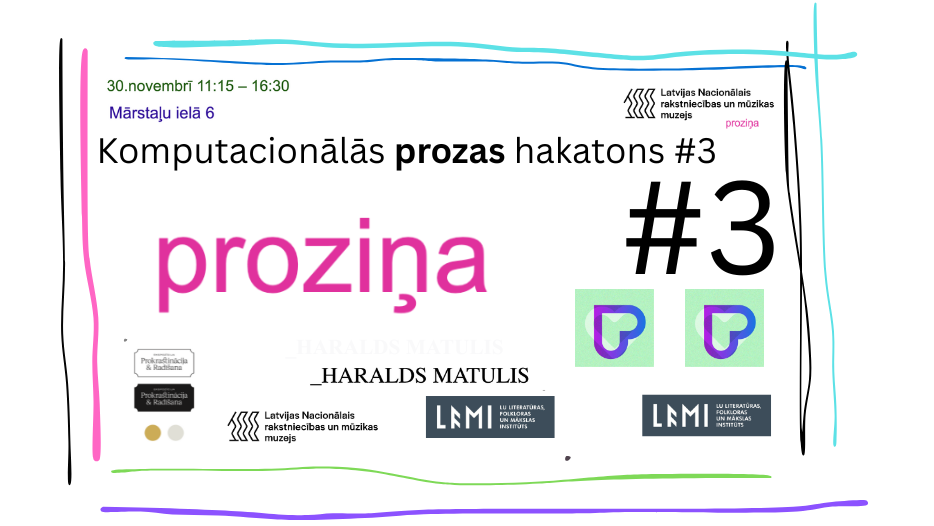
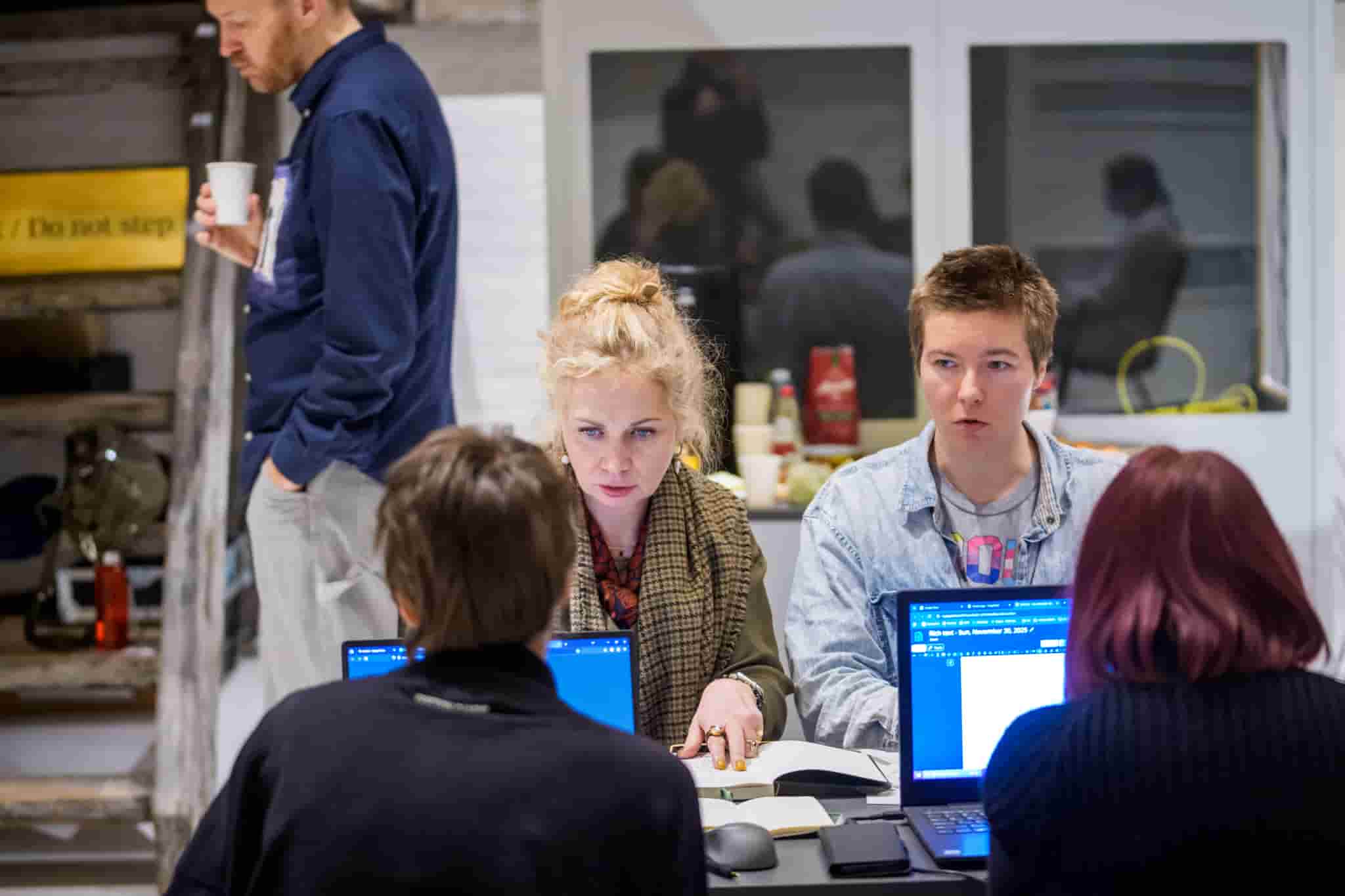
Photo: Gints Ivuškāns
Elected as a researcher at ILFA, 26.11.2025.
At the ILFA Scientific Council meeting on November 26, Haralds Matulis was elected as a researcher in the humanities and arts in the field of linguistics and literary studies, in other linguistics and literary studies subfields, with specialization in cultural research methods and theory and digital humanities.
Critical LLM and AI Tools Use in Humanities Research, 10.11.2025. Workshop at NOVA University Lisbon for Digital Humanities master students and others interested in DH. Read →
Introduction to Python Code Notebooks for Humanities Data Analysis, 27.10.2025. Workshop at NOVA University Lisbon for Digital Humanities master students and others interested in DH. Read →
Digital Diary Analysis Workshop in Tartu, 24.09.2025. A practical workshop with computational methods in the Nordplus Life Writing seminar. Read →
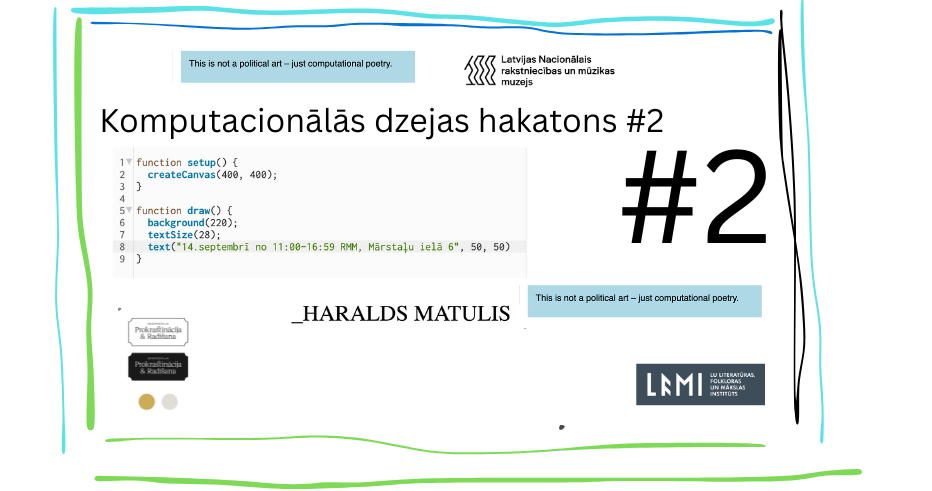
Computational Poetry Hackathon #2, 14.09.2025.
It took place on Sunday, September 14, from 11:01 to 16:59 at the Latvian National Museum of Literature and Music, Old Town Riga, Mārstaļu Street 6.
Read more on the Facebook event page.
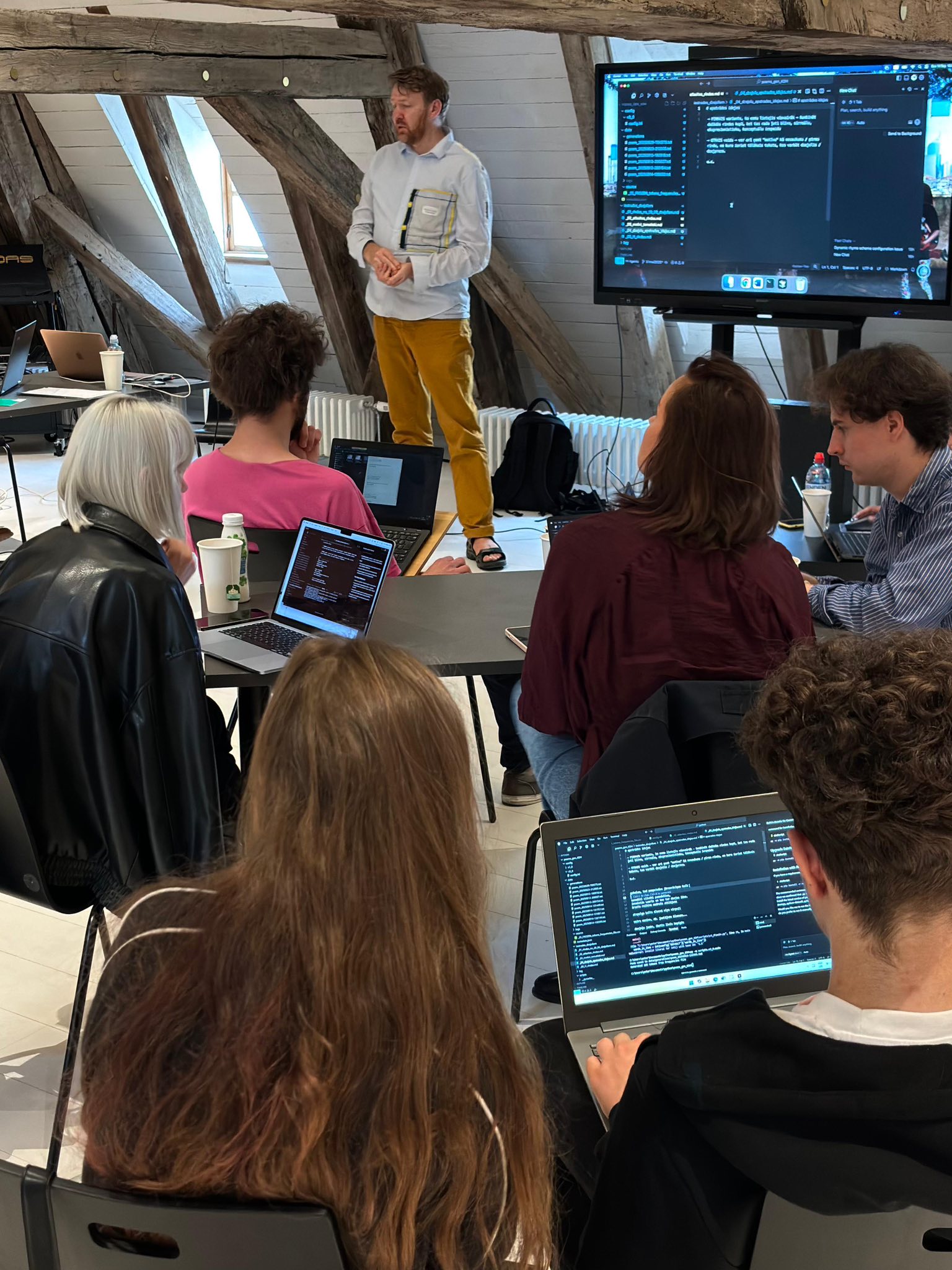
Lecture and workshop in Aicinājums, 12.08.2025. “How robots can inspire us to write a literary text” and a practical workshop on text creation with a computer.
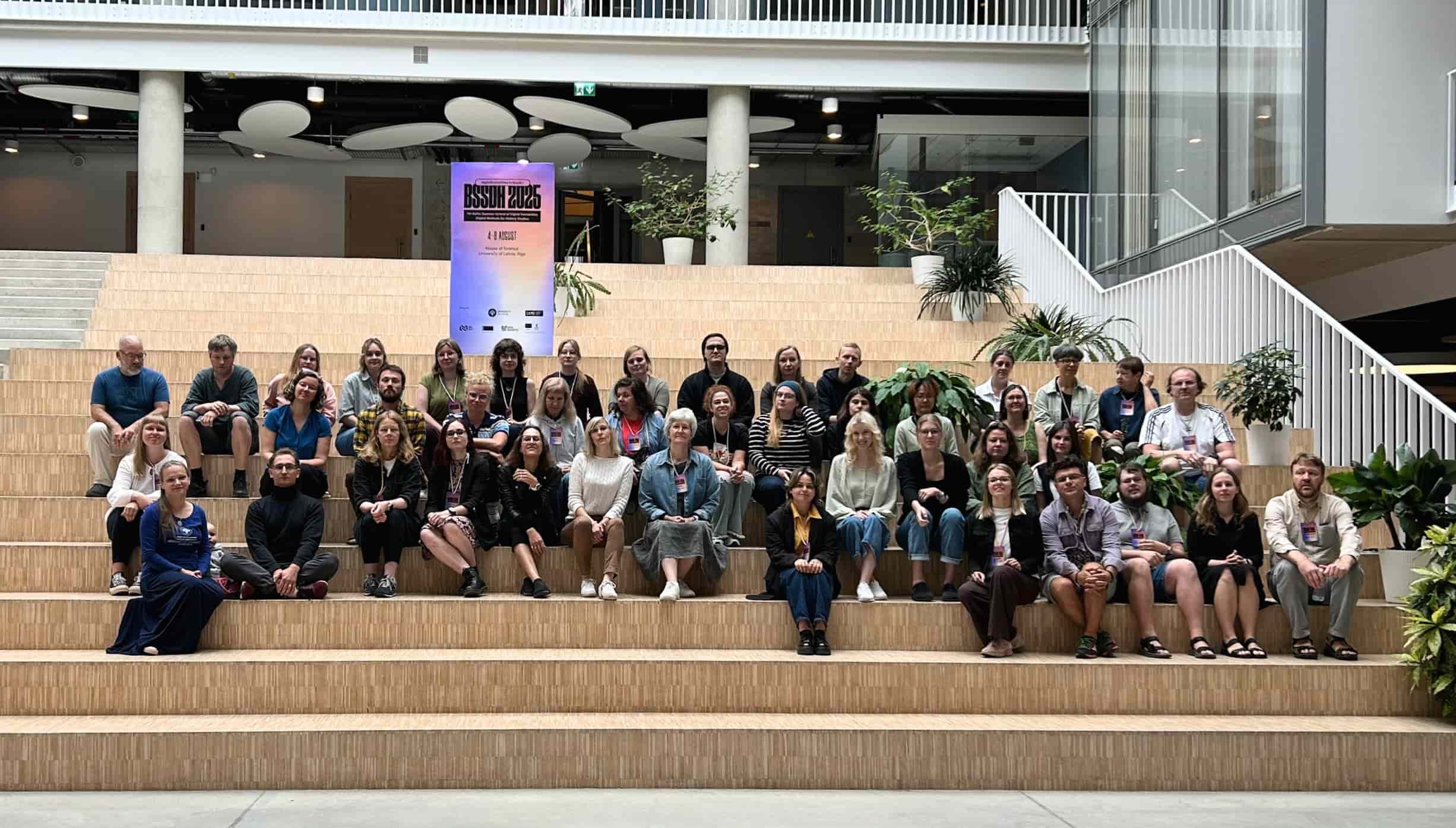
BSSDH 2025 in Riga August 4–8.
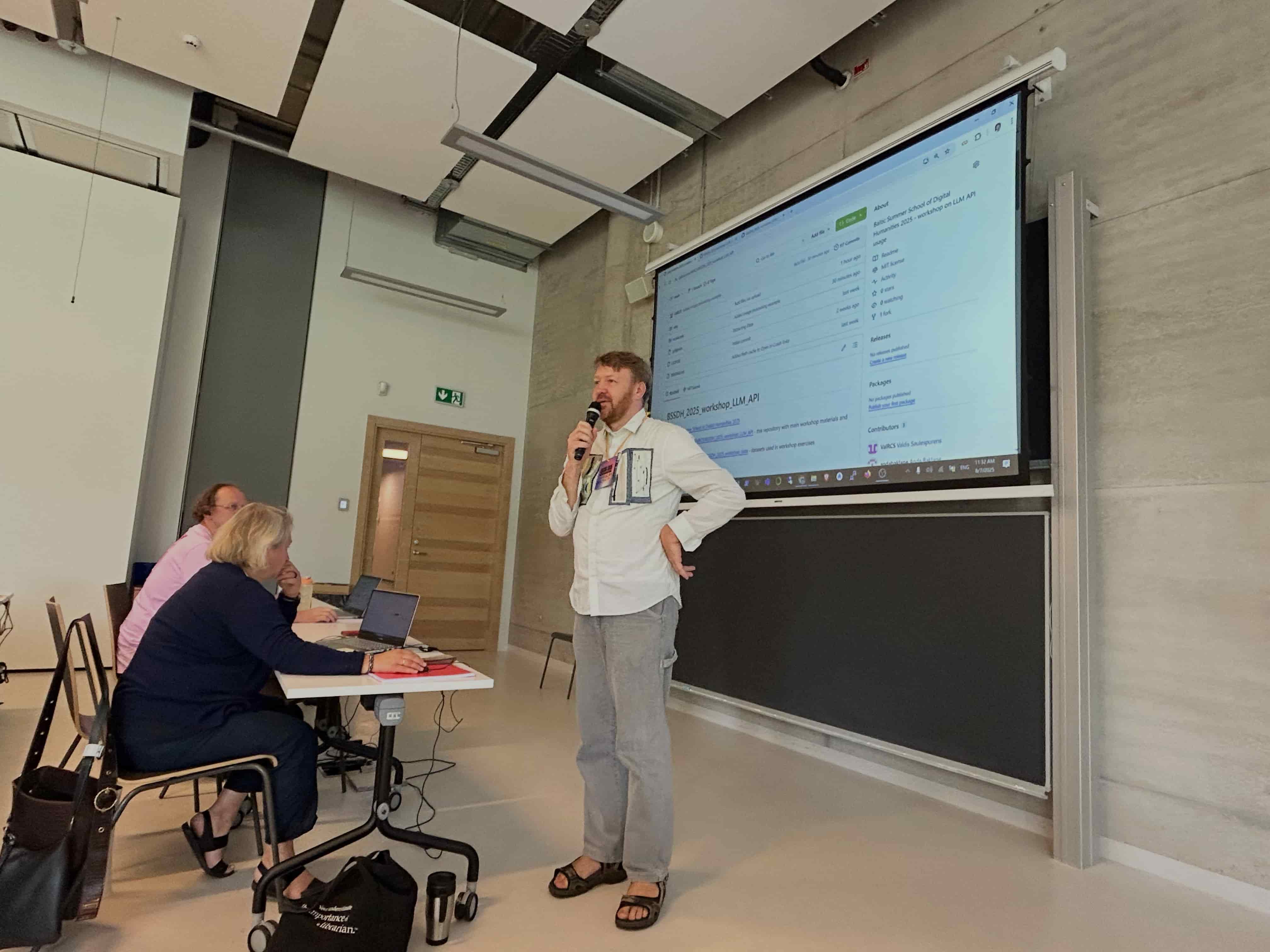
The 7th Baltic Summer School for Digital Humanities (BSSDH) took place in Riga, at the University of Latvia's House of Science, from August 4 to 8. This year’s Summer School focused on historical research using digital methods.
Report on digital humanities research practices in history, 01.07.2025. Link to the report PDF (in Latvian).
A report on “International digital humanities research practices” prepared within the framework of the National History Research Program.
The report focuses on research methods in history but is largely applicable to other fields of the humanities as well.
The report (18 pages) consists of an overview of digital methods and practices, followed by links to digital tools for in-depth learning of the respective methods, and a thematically organized bibliography.
Komputacionālās dzejas hakatons #1, 28.06.2025.
Stāsts "Trīs diskusiju veidi". Publicēts Satori 27.06.2025.
Atkalāčojuma atklāšana, 25.05.2025.
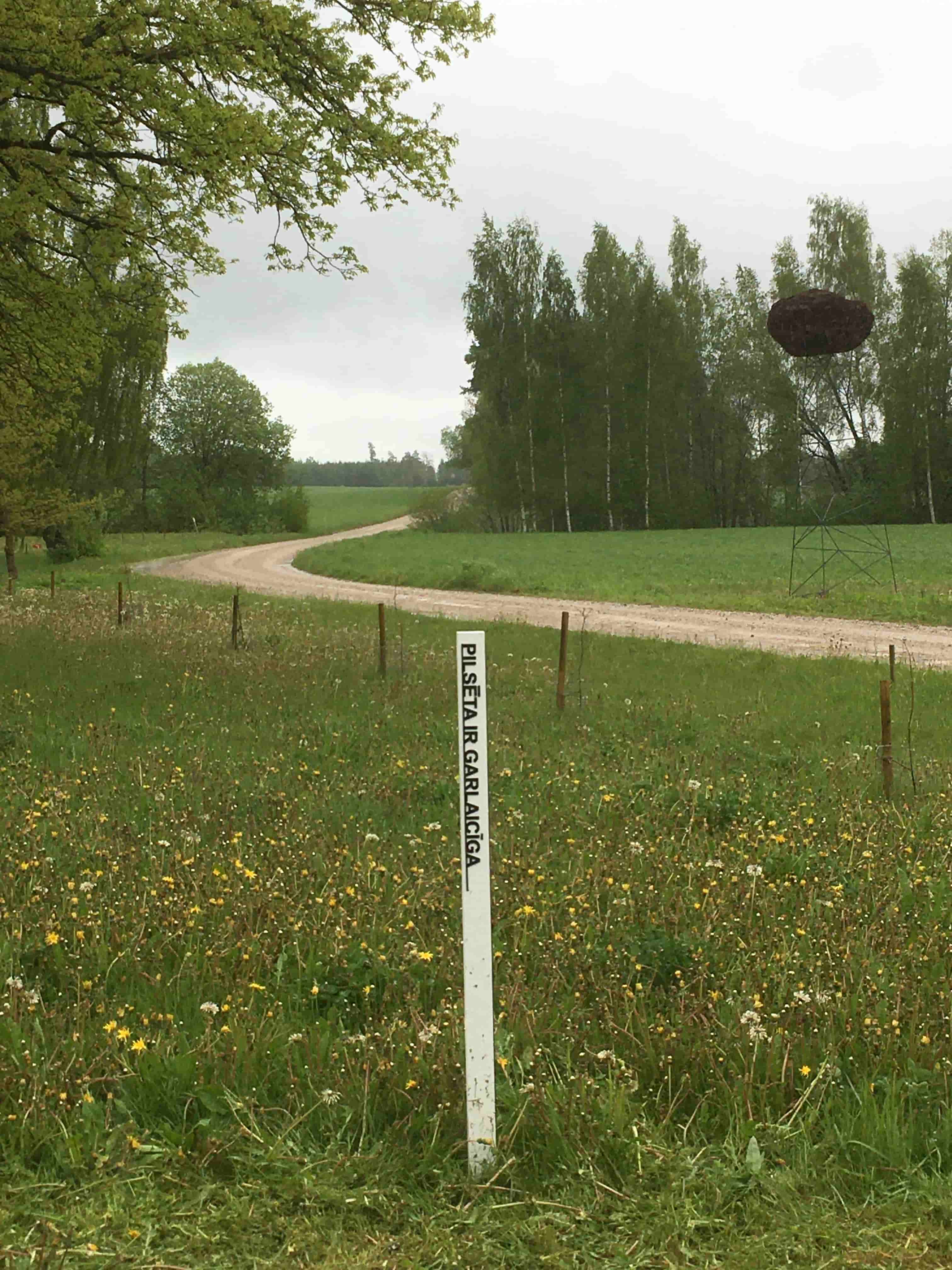
25.05.2025 Veidenbauma muzejā "Kalāčos" tika atklāta kopizstāde "Atkalāčojums", kas mākslas un literatūras valodās pievērsusies Veidenbauma uztverei mūsdienās. Līdzās citiem 8 izciliem māksliniekiem un kultūras personībām tur ir arī Haralda Matuļa un "Veidenbauma 1.b klases" kopradīti darbi par Veidenbauma un Garlaicības tēmu – instalācija ar 12 Garlaicības ceļa stabiem un audiāli-scenogrāfiska pastaiga par garlaicību.
Sadarbībā ar Veidenbauma muzeju Kalāčos. Izstādes kuratore Ieva Astahovska, dizainere Līva Kreislere, muzejpedagoģe Baiba Roze. Projektu atbalsta Valsts kultūrkapitāla fonds.
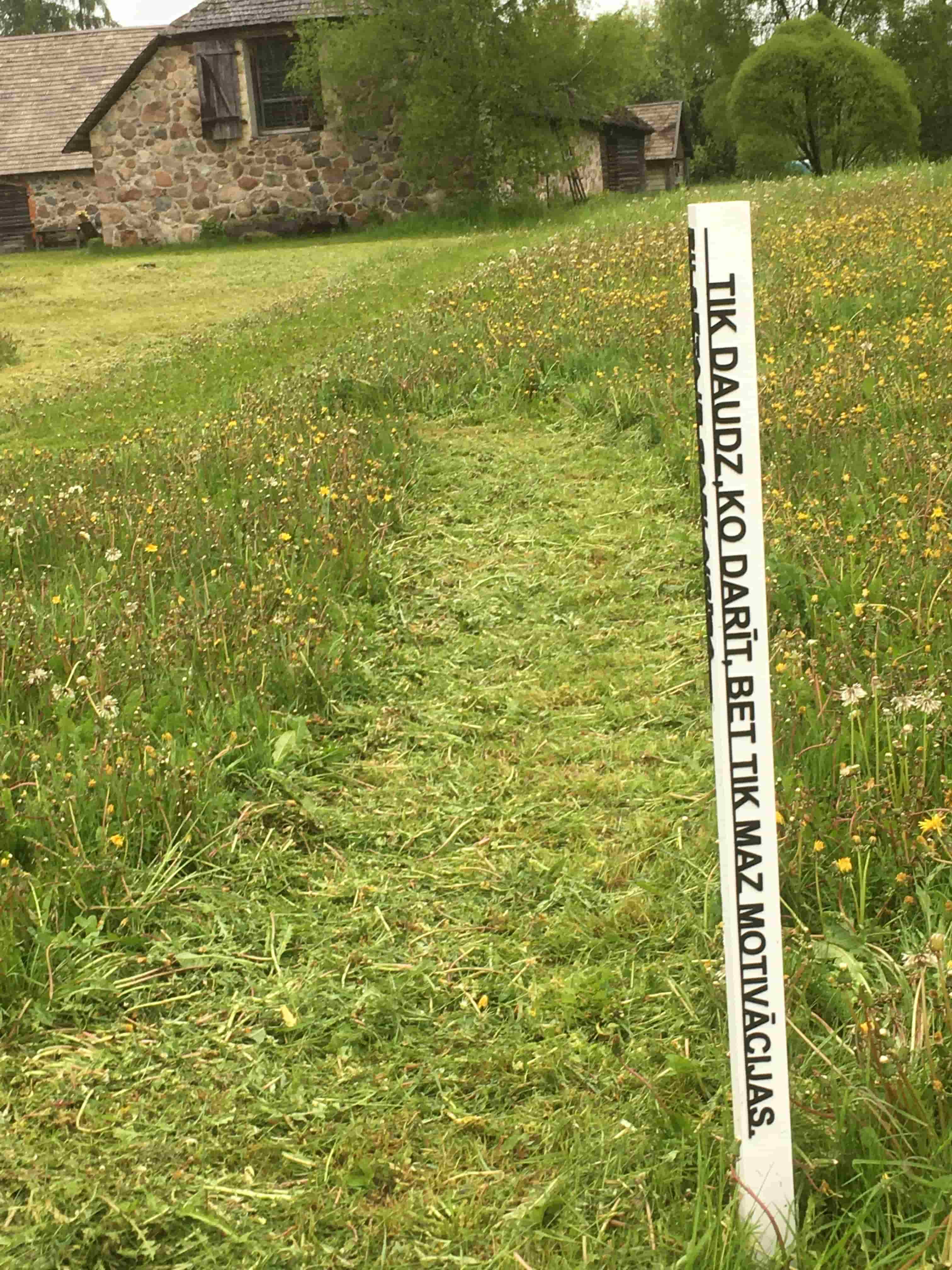
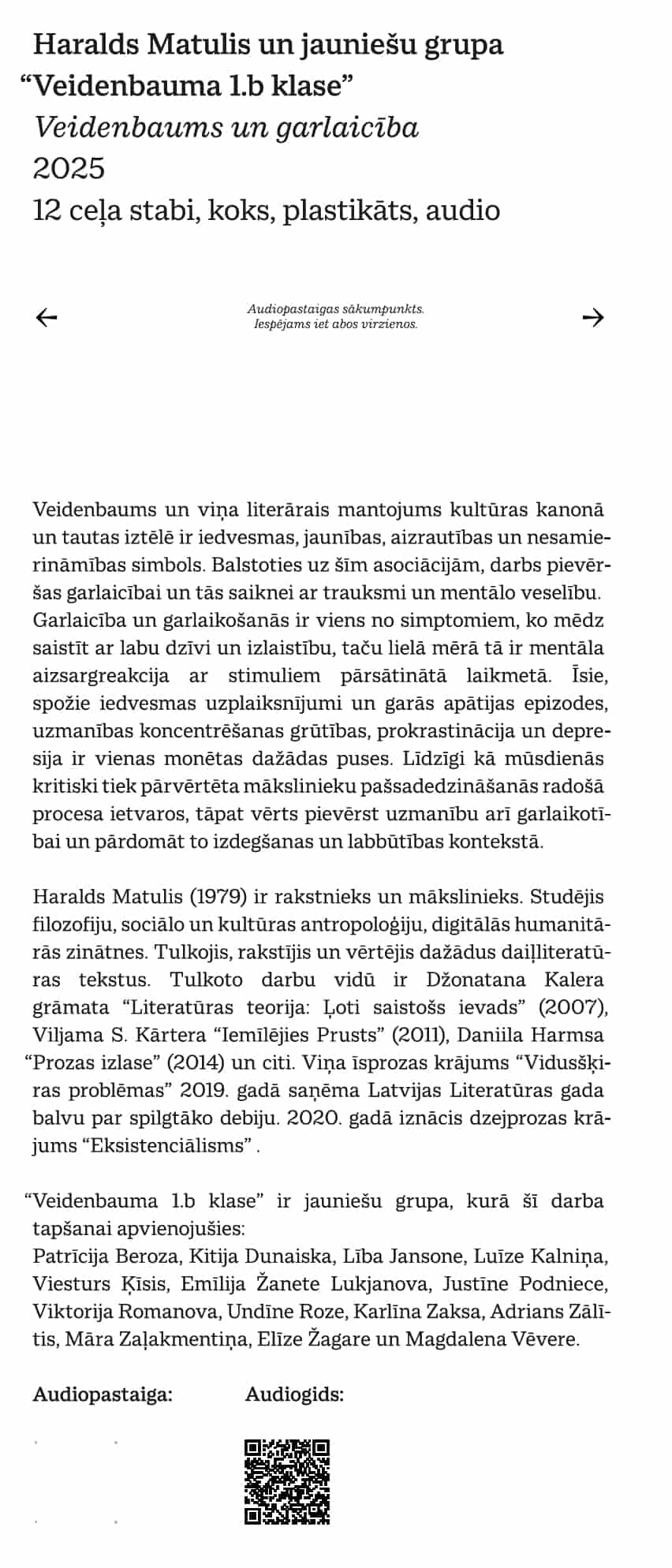
Garlaicība un garlaikošanās ir viens no simptomiem, ko parasti saista ar labu dzīvi un izlaistību, taču lielā mērā tā ir mūsu mentāla aizsargreakcija ar stimuliem pārsātinātā laikmetā. Veidenbaums kultūras kanonā un tautas iztēlē ir iedvesmas, jaunības, aizrautības, nesamierināmības simbols. Šajā projektā tiek pētīta saikne starp aizrautību, aizraušanos, iedvesmu, trauksmainību, trauksmi no vienas puses un garlaicību, garlaikošanos, pārsātinātību, iespaidu gūzmu no otras puses.
Veidenbaums and Boredom has begun, 05.04.2025. Workshops, research, and an audio-scenographic walk about boredom at the Veidenbaums Museum in Kalāči.
On 25.05.2025, a group exhibition titled "Atkalāčojums" will open at the Veidenbaums Museum "Kalāči", exploring Veidenbaums' perception nowadays through the languages of visual art and literature. Alongside works by eight other outstanding artists and cultural figures, there will also be exhibited collaborative works by Haralds Matulis on the theme of Veidenbaums and Boredom.
Boredom and being bored are often seen as symptoms of a good life and vanity, but to a great extent, they are our mental defense mechanisms in overstimulated times. In the cultural canon and public imagination, Veidenbaums is a symbol of inspiration, youth, passion, and defiance. This project explores the connection between enthusiasm, fascination, inspiration on one hand, and boredom, oversaturation, anxiety, and the flood of impressions on the other.
As part of the project, an installation with the letters of boredom and an audio-scenographic walk on the theme of boredom will be created, involving local youth in their creation through workshops.
In collaboration with the Veidenbaums Museum Kalāči. Exhibition curator: Ieva Astahovska, designer: Līva Kreislere, museum educator: Baiba Roze, the Veidenfest youth group, and other young people. The project is supported by the State Culture Capital Foundation.
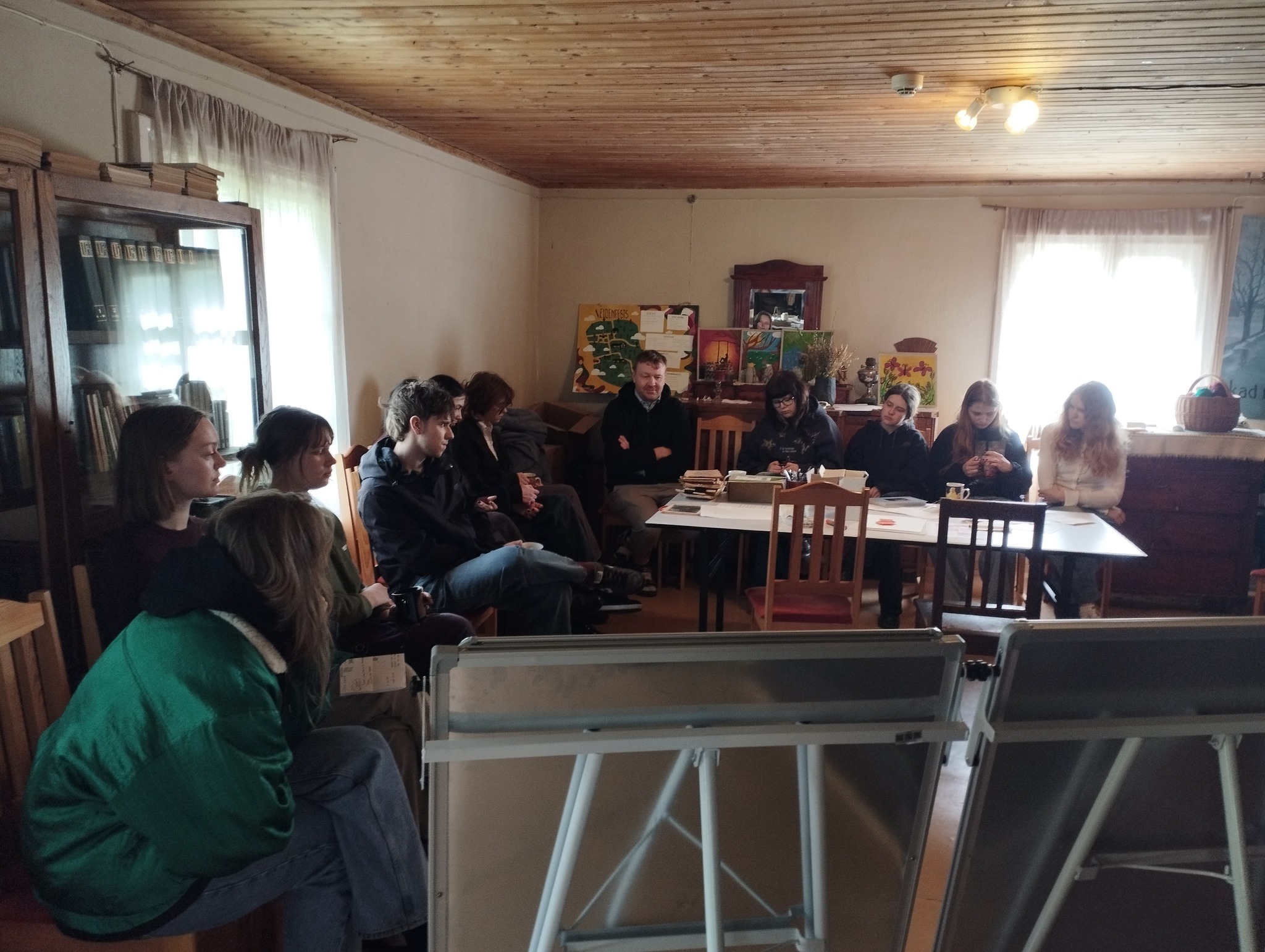
Image from the April 26 workshop! Photo: Baiba Roze.
Open lecture in the National History Research Program, 23.01.2025. “Historical Data Analysis with Computational Methods: The Communist Youth Organization Employee Database (1970–1990) and Its Processing and Analysis with Computational Methods.”
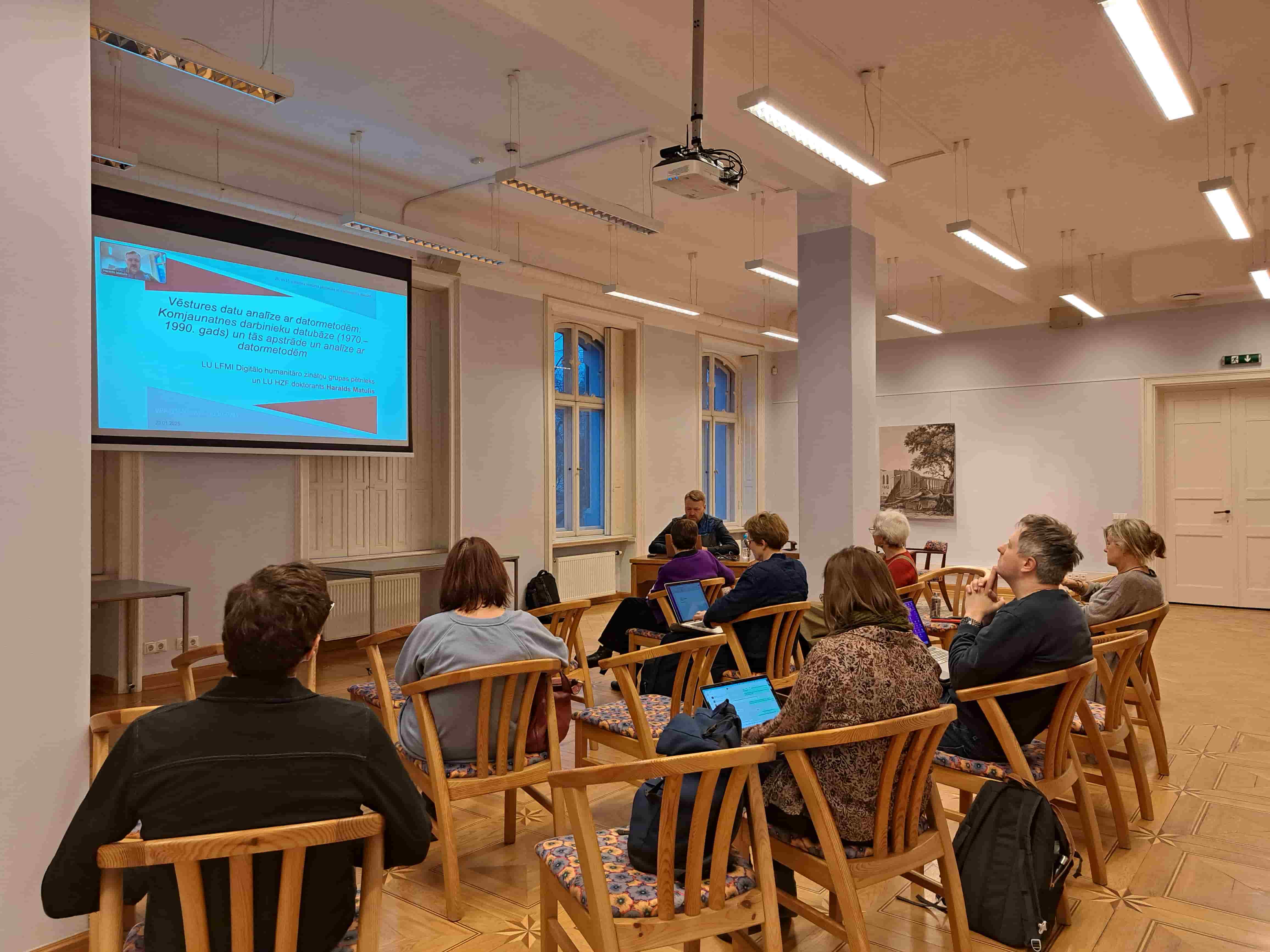
Open lecture! Photo: Ilze Boldāne-Zeļenka.
Story "The Writer's Talent." Performed at the Prose Readings on 06.12.2024. And published in Punctum on 06.02.2025.
2024
Dziesmu vārdu rakstīšanas darbnīca Zvaigznājā 29.09.2024. Mācījāmies rakstīt dziesmu tekstus, lai tie ir izteiksmīgi, atmiņā paliekoši, skaisti un nebanāli!
Lieliskās Agneses Rakovskas Zvaigznājā – mācījāmies rakstīt dziesmu tekstus, lai tie ir izteiksmīgi, atmiņā paliekoši, skaisti un nebanāli. Eksperimentējām ar brīvo plūsmu, randomizāciju un ierobežojumu metodēm! 3 stundu laikā – gatavas dziesmu skices – iespaidīgi!
COURSES FOR LITERATURE TEACHERS @LKA, 13-14.08.2024. Creative, creative two-day courses for teachers organized by VISC.
Primarily for literature teachers, I demonstrated creative writing exercises and we also discussed the principles, details, and nuances of evaluating creative work – creating a safe environment, how to express opinions, how to organize group work, whether creative work can and should be evaluated, breaking tasks into smaller parts to give the best possible grade (10), critical thinking and what best trains it, "vaguely formulated tasks," not starting with a (great) "idea," but with a small detail, Notes, Writing, Editing, free flow writing exercise, stealing dialogues, practicing "conversational language," writing down dreams, and how to write an essay.
Writing workshop @Rakstivāls, 11 Aug. A creative writing workshop "Contradiction in Text as a Source of Intrigue".
In the workshop, participants are introduced to a writing technique that adds intrigue to a text by relying on internal contradictions. Workshop begins with an introduction to some literary excerpts, followed by writing their own texts, and then a collective analysis and reflection on how to use this technique in writing.
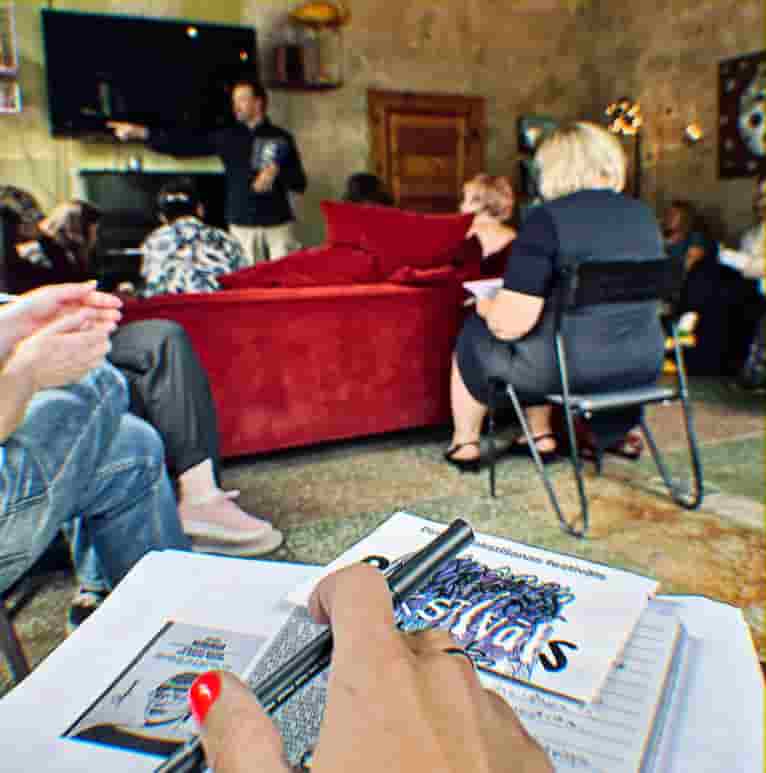
At Rakstivāls! Photo: Inga Grencberga.
Language lecture @LCCA, August 10, 2024. A lecture "How language got political: different perspectives on language" the Latvian Centre for Contemporary Art Summer school in Valmiera.
The lecture will take a comparative look at how language is defined and used in different fields of philosophy, linguistics, and social sciences. We will conclude with an analysis and discussion of how these different attitudes towards language are reflected in the artistic and curatorial practices of contemporary art.
BSSDH 2024, July 22-26. A Well-Being workshop for humanities researchers starting with computational methods and programming.
I was moderating a Well-Being workshop for the participants of Baltic Summer School of Digital Humanities. This workshop consisted of Opening Session, Daily group check-ins, and a Closing Session. The Workshop was aimed to calibrate participants expectations, monitor one's wellbeing and contemplate upon learning methods and patterns, and devise a plan for future steps in the realm of DH after the Summer School!